





How to Treat Sagging Jowls Without Surgery
As you approach your 40’s, it’s normal to notice a softening jawline. What once felt firm and defined begins to weaken, and with it, so much of how our face reads. It’s one of the most common concerns we hear from clients.
The reassuring part is that surgery is far from the only option. A great deal can be done to support firmer, more defined skin along the lower face, without ever considering a procedure that involves downtime or an operating theatre.
What Causes Jowls in the First Place?
Jowls are rarely the result of any single factor, which is part of what makes them feel so difficult to address. They’re the visible outcome of several changes unfolding at once, gradually, and at a different pace for each of us.
The most significant driver is the natural decline of collagen and elastin, the proteins responsible for keeping skin firm and supple. Production begins to slow from our late teens, then accelerates through our 30s and again around menopause. As these proteins diminish, the skin becomes less able to hold its position against the steady pull of gravity.
At the same time, the fat pads of the mid-face gradually increase in volume and begin to appear lower. With less support beneath it, the skin along the jawline has less to rest on, and soft tissue that was once held higher starts to descend. Changes to the underlying bone and muscle contribute to this over time as well.
Genetics, sun exposure, smoking and weight fluctuation all influence how early and noticeably jowls develop. None of it reflects a mistake on your part, because for most of us, it’s simply part of how the face changes with age.
Can You Improve Jowls Without Surgery?
In many cases, yes. How much difference non-surgical treatment makes depends on the degree of laxity and the specific factors driving the change for you.
For mild to moderate shifts, where the jawline has softened, but the tissue hasn’t dropped significantly, non-surgical options are often a sensible starting point. For more advanced laxity, they may still offer improvement, though a surgical consultation could be the more honest recommendation.
This is the kind of guidance a considered practitioner will offer openly, rather than recommending a treatment unlikely to achieve what you’re hoping for.
The Best Treatment for Jowls Depends on You
There is no single best treatment for jowls.
The right approach depends on your skin, anatomy and goals, so any good plan starts with a proper assessment rather than a fixed package. With that in mind, here are the non-surgical options most worth understanding.
Skin Tightening with Ultraformer III
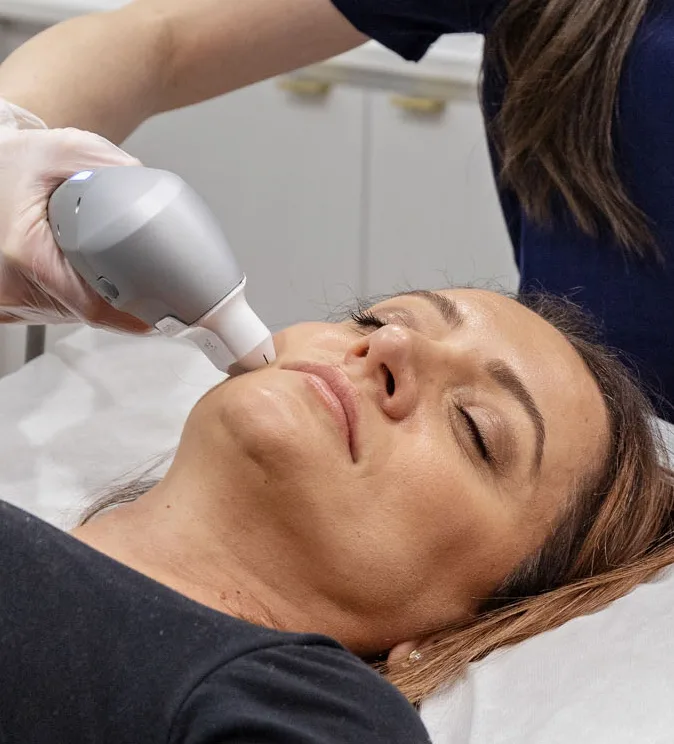
Ultraformer III, which uses focused ultrasound, is among the most considered non-surgical options for supporting firmness along the jawline. It works by gently warming the deeper layers of the skin, encouraging your own collagen production over time.
Because it works alongside your body’s natural processes, results develop gradually, with no downtime, making it well-suited to those seeking a subtle rather than dramatic change.
Radiofrequency Microneedling with Morpheus8
Morpheus8 combines microneedling with radiofrequency energy, reaching the deeper layers of the skin to support collagen remodelling and improve texture and firmness. It tends to suit mild to moderate laxity, particularly where skin quality forms part of the concern, and is often used as one element of a broader plan rather than a treatment in isolation.
Collagen Stimulators
A collagen stimulator works by encouraging your skin to rebuild its own collagen gradually over the weeks and months that follow, helping restore some of the structural support the lower face has lost. It’s the perfect choice for those who would prefer a slow, natural-looking change over an immediate result.
Volume Support Where It’s Needed
Because volume loss in the cheeks plays such a significant role in how the lower face softens, supporting the mid-face can sometimes make more of a difference to the jawline than treating the jawline directly.
Whether this is right for you, and where, becomes clear only through a careful assessment of your face as a whole.
Your At-Home Skin Care Routine Can Help
At-home care won’t lift established jowls, but it can support your skin quality and help slow further change.
- Daily SPF is the single most effective habit, since sun exposure is one of the greatest contributors to collagen breakdown.
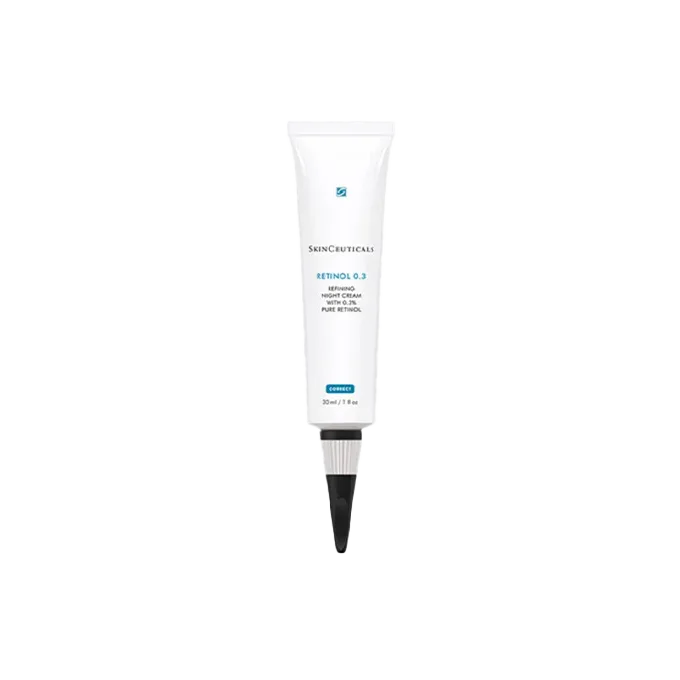
- A well-formulated retinol can support collagen production over the longer term, though it takes months of consistent use to make a subtle difference. It also needs to be introduced carefully, as using it too often can compromise your skin barrier. With retinol, less is often more. If you’re considering adding retinol to your routine after treatment with us, do let your Nurse or Clinician know, as it can affect how certain treatments settle.
- A quality antioxidant such as vitamin C helps protect against everyday environmental damage.
Beyond skincare, not smoking, keeping your weight fairly stable and eating plenty of fruit, vegetables and healthy fats all help your skin from within.
These are the foundations that help everything else work better, rather than replacements for in-clinic treatment.
Where Some Popular At-Home Methods Fall
A few at-home devices promise more than they can deliver.
Home microneedling tools don’t penetrate deeply enough to meaningfully build collagen, and microcurrent devices marketed as at-home lifts don’t influence collagen or elastin, so any tightening they offer is temporary at best.
There’s no real harm in them, though they’re unlikely to make a lasting difference to jowls on their own.
How to Decide What’s Right for You
Jowls are almost always the result of several factors working together, which is why the most effective approach is rarely a single treatment in isolation.
A proper consultation is the right place to begin. At our Melbourne aesthetic clinic, that means listening to what’s bothering you, looking closely at the structure of your lower face, and talking through which options, if any, suit you. Sometimes that means recommending less than you might expect, and if surgery would serve you better, we’ll tell you.
If the best treatment for jowls is something you’re looking into, we’d be glad to help. Book a consultation with our team, and we’ll talk you through what’s realistic for your skin with no pressure to proceed.



 No products in the cart.